Ten NFL teams entered 2026 with new head coaches, tying the league record for turnover in a single hiring cycle. For several franchises, those changes have gone well beyond introducing a different voice on the sideline; they’ve reshaped expectations both on and off the field.
Each coach has inherited different personnel, expectations and circumstances. How quickly a new philosophy takes hold depends on adapting those ideas to the roster in place.
New systems are reshaping how teams attack, defend and develop players, while established cultures are evolving under new leadership. Four weeks into the season, Four weeks into the season, five coaches are already leaving their fingerprints on their teams’ playing styles and identities.
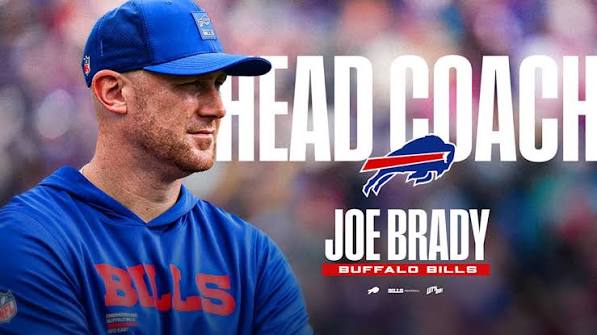
1. Joe Brady, Buffalo Bills
Buffalo spent nearly a decade under Sean McDermott a defensive-minded head coach who set the broader tone. Joe Brady’s promotion changed that dynamic immediately. At 37, he inherited a contender and placed an offensive philosophy at the center of its identity.
Brady wants opponents reacting rather than dictating. His approach emphasizes spacing, quick decisions and formations that create favorable matchups for Josh Allen and Buffalo’s skill players. Choosing to receive the opening kickoff also reflects his aggressive offensive mindset.
The cultural shift matters just as much. Brady has also adjusted how younger players are used, giving developing contributors opportunities to build on their strengths as the season progresses. Buffalo started 3–1, giving him room to develop that approach while still dealing with the expectations of a franchise chasing a championship.
That approach changes can alter how a team looks from one Sunday to the next. As you assess upcoming NFL matchups, evolving schemes, player usage and team performance are worth considering before you place your NFL bets.
2. Jesse Minter, Baltimore Ravens
Replacing John Harbaugh after 18 seasons was never going to feel like a routine coaching change. Jesse Minter has nevertheless found a way to make Baltimore look noticeably different without stripping away the defensive edge so long associated with the Ravens.
Minter’s defense is built on uncertainty. Coverages can shift after the snap, while pressure can come from unexpected positions and alignments. That places considerable responsibility on versatile safeties and linebackers who must communicate and adjust quickly.
The Ravens have also leaned into collaboration rather than simply handing players instructions, encouraging greater player input. That suits intelligent, multidimensional defenders such as Kyle Hamilton and gives Baltimore a modern version of its familiar defensive personality.
That identity is already being tested. Baltimore moved to 3–1 after beating Tennessee in Week 4, but Lamar Jackson left with an ankle injury after throwing for 222 yards and two touchdowns. The defense protected the lead after Baltimore went scoreless after halftime.
3. Kevin Stefanski, Atlanta Falcons
Atlanta has possessed intriguing offensive talent for years, but transforming that ability into a consistent unit has proved considerably harder. Kevin Stefanski arrived after six seasons in Cleveland with a reputation for bringing structure and stability to an offense.
His offenses have traditionally leaned on zone-running principles, complementary play-action and concepts that make different plays look similar before the snap. That approach can stretch defenses horizontally before creating opportunities to attack open space farther downfield.
That framework gives Atlanta plenty to work with. Bijan Robinson, Drake London and Kyle Pitts provide different ways to create mismatches, while quarterback development remains central to the Falcons’ longer-term direction and the success of Stefanski’s offensive approach.
Stefanski’s measured personality also fits the task. Atlanta needs talented players operating within a more structured offense, not constant reinvention. That potential surfaced against New Orleans, with Robinson rushing for 145 yards and two touchdowns in a 45–24 victory.
4. Mike McCarthy, Pittsburgh Steelers
Few NFL franchises are as closely associated with long-term coaching continuity as Pittsburgh. Mike McCarthy became only the Steelers’ fourth head-coaching hire since 1969 when he succeeded Mike Tomlin, bringing remarkable 19-year coaching era to a historic end.
Pittsburgh’s traditional formula is familiar: physical football, defensive resistance and comfort in difficult games. McCarthy brings a different offensive background, with West Coast influences emphasizing route timing, quarterback decisions and sequencing to create easier throws.
The objective isn’t to make the Steelers unrecognizable. Defensive leaders such as T.J. Watt and Cam Heyward still embody Pittsburgh’s expected physicality. The bigger adjustment involves how much responsibility the offense carries and how consistently it delivers points.
Pittsburgh sits at 2–2 after four games, with personnel changes, injuries and weekly performances shaping the transition. Across the league, the latest NFL news and trends provide analysis and data-driven insights into team performance and emerging patterns.
5. Todd Monken, Cleveland Browns
Todd Monken returned to Cleveland with a simple but revealing belief about effective NFL coaching: teams are in the development business. His staff was constructed around coaches capable of developing players, designing schemes or, ideally, doing both consistently.
Monken’s background points toward a more aggressive Browns identity. His Baltimore offenses ranked among the NFL’s most productive from 2023 through 2025, pairing an elite running game with efficient passing. Cleveland hired him after three seasons directing that offense.
Space, tempo and vertical opportunities are central to the philosophy. Stretching defenses across the field can create room underneath while giving receivers freedom to attack favorable coverage. Quarterback development will determine how far Cleveland can push those ideas.
The early returns have created genuine intrigue. Cleveland reached 3–1 through four games, including a divisional victory over McCarthy’s Steelers. Sustaining that start will require adaptation once opponents have more film and begin finding answers of their own.
The Next Test Is Making Change Last
A team’s identity rarely changes completely in one offseason. Old habits, established leaders and franchise expectations don’t disappear because someone new gets the headset.
The early weeks of 2026 have still revealed meaningful differences in each team’s evolving identity. Brady is making Buffalo more explicitly offense-led, Minter is modernizing Baltimore’s defensive tradition, while Stefanski is bringing greater structure to Atlanta.
McCarthy is challenging Pittsburgh’s familiar winning formula, while Monken is making Cleveland more aggressive. The rest of the season will show which changes ultimately last.
About the Author