The 2026 NFL season has brought sweeping changes to coaching staffs across the league. Ten franchises appointed new head coaches, tying the record for the most changes in a single offseason. Six of those appointments went to first-time NFL head coaches, while four experienced leaders began fresh chapters with different organizations.
These appointments represent more than new faces on the sidelines. Coaches influence everything from offensive strategy and defensive organization to player development and locker room expectations.
Several weeks into the season, those different approaches are becoming visible. Some teams have responded quickly, while others are discovering that establishing a new identity requires patience.
Experienced Coaches Bringing Stability and Fresh Expectations
John Harbaugh’s arrival with the New York Giants represents an opportunity to establish greater consistency. After a lengthy tenure in Baltimore, Harbaugh inherited a franchise seeking stability and a clearer competitive direction.
The Giants improved to 4-2-1 after defeating Houston 27-21 in overtime on October 25. Running backs Cam Skattebo and Devin Singletary scored crucial touchdowns, highlighting the value of balancing offensive production with disciplined execution.
Harbaugh’s responsibility extends beyond winning individual games. Establishing dependable preparation, developing young players and maintaining accountability could help New York build something lasting.
Pittsburgh has taken a different approach by appointing Mike McCarthy, another coach with extensive NFL experience. The Steelers entered the season with established competitive expectations, making continuity particularly important during the transition.
McCarthy’s offensive background offers opportunities to refine quarterback development and play selection without abandoning Pittsburgh’s traditional emphasis on physical football. The team’s 5-2 start suggests a promising beginning, although sustained success will require consistency against stronger opposition.
Both appointments demonstrate how experienced coaches can introduce fresh ideas while respecting an organization’s existing identity.
Cleveland and Baltimore Introduce Different Philosophies
The AFC North has become particularly interesting following coaching changes in Cleveland and Baltimore. Todd Monken took charge of the Browns after coordinating the Ravens’ offense, while Jesse Minter replaced Harbaugh in Baltimore following his work with the Los Angeles Chargers.
Monken’s offensive experience gives Cleveland a foundation for developing more varied passing concepts and improving quarterback decision-making. His challenge is turning those ideas into dependable production against defenses familiar with the division’s established tendencies.
The Browns reached 5-2 after defeating Tennessee 27-24 on October 25. Deshaun Watson threw for 308 yards, while Andre Szmyt’s late field goal secured another close victory.
Baltimore’s appointment of Minter suggests a different emphasis. His defensive background provides opportunities to strengthen coverage coordination, pressure schemes and situational execution.
Replacing a longtime coach also brings challenges beyond tactics. Players must adapt to different communication styles, expectations and approaches to preparation.
Baltimore’s 4-3 start illustrates why coaching transitions shouldn’t be judged entirely by early results. Developing a recognizable identity matters, but translating it into consistent performances takes time.
Offensive Innovation Is Creating New Possibilities
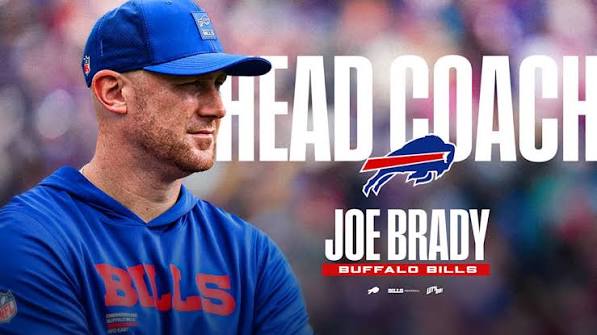
Several franchises have turned to coaches with substantial offensive experience. Buffalo promoted Joe Brady after his work coordinating the Bills’ offense, while Las Vegas appointed former Seattle offensive coordinator Klint Kubiak. Atlanta also hired Kevin Stefanski following his tenure in Cleveland.
Brady’s familiarity with Josh Allen and Buffalo’s personnel offers continuity rather than a complete overhaul. The Bills began the season 5-1, averaging 32.8 points across their first six games.
For Kubiak, the challenge is establishing a dependable offensive identity in Las Vegas. Improving protection, creating manageable situations for the quarterback and balancing rushing with passing opportunities are important foundations.
Atlanta’s transition under Stefanski offers another interesting case. The Falcons defeated previously unbeaten San Francisco 29-20 on October 25, with Stefanski emphasizing the importance of demonstrating the team’s intended identity through actual performance.
Coaching changes can also affect expectations surrounding upcoming matchups. Fans interested in how teams are being assessed should monitor the odds as new systems develop, although betting markets cannot establish whether a coaching philosophy will succeed.
These franchises face different circumstances, but each must translate offensive ideas into repeatable execution. Creativity matters most when players understand their responsibilities and can deliver under pressure.
Defensive Leadership Takes Center Stage
Not every coaching appointment centers on offensive innovation. Tennessee hired Robert Saleh, while Miami appointed Jeff Hafley after his tenure coordinating Green Bay’s defense.
Saleh returned to head coaching with considerable experience organizing NFL defenses. His challenge involves improving Tennessee’s defensive reliability while helping create an environment where the offense can develop.
That process hasn’t produced immediate results. Tennessee stood at 1-6 following a 27-24 defeat against Cleveland on October 25, despite showing encouraging offensive moments during the contest.
Miami’s decision to hire Hafley similarly reflects an opportunity to reconsider defensive priorities. Better tackling, clearer assignments and stronger communication can influence performance without requiring wholesale personnel changes.
Defensive improvement also depends on how effectively players respond to adjustments. An aggressive approach may create pressure but expose coverage weaknesses, while more conservative formations require disciplined execution.
Both coaches must find the right balance between their preferred systems and their players’ strengths. Early records alone cannot determine whether those adjustments will eventually deliver lasting progress.
Building a Team Identity Beyond the Playbook
Arizona’s appointment of Mike LaFleur highlights the broader responsibilities awaiting first-time NFL head coaches. Previously an offensive coordinator with the Los Angeles Rams, LaFleur now oversees an entire organization rather than concentrating primarily on one unit.
That transition requires coordinating different coaching departments, developing younger players and establishing consistent expectations throughout the roster. Successful offensive ideas offer little protection when special teams mistakes or defensive breakdowns repeatedly undermine performances.
Arizona’s 2-5 start indicates that immediate results remain challenging. However, a rebuilding team’s progress is better judged through player development, improved preparation and fewer avoidable errors. Following weekly performances and NFL week-by-week game insights on FanDuel can provide further context as teams adapt to their new leadership.
Compare that situation with Buffalo, where Brady inherited familiarity with the existing offense. The circumstances are different, making identical expectations unrealistic.
Ultimately, the clearest signs of a developing identity appear in how teams handle difficult moments. Responding to turnovers, adjusting at halftime and maintaining discipline often reveal more than an impressive opening drive.
What the Rest of 2026 Will Reveal
The NFL’s new coaching appointments have introduced contrasting approaches to leadership, offense and defense. Some franchises are seeking immediate stability, while others are laying foundations for longer-term improvement.
Early victories offer encouragement, but meaningful transformation requires sustained execution. The remainder of 2026 will reveal which coaches can turn their philosophies into dependable performances and establish identities that endure beyond their first season.
About the Author