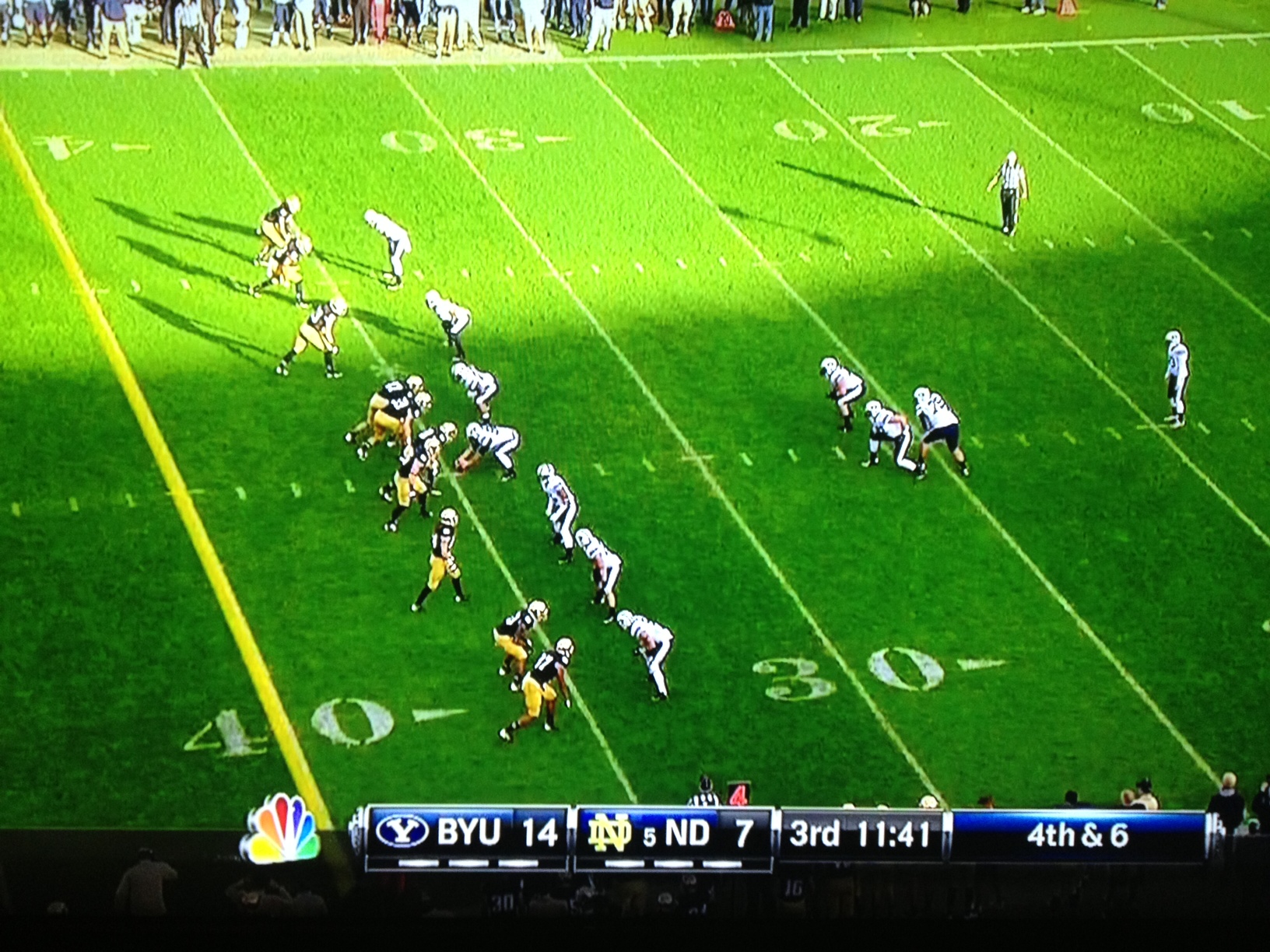
Twenty years ago, a legendary, old-school football coach would gladly punt on a fourth-and-short simply because the wind felt slightly weird that afternoon. This breakdown explains how a completely data-driven generation killed the emotional gut feeling, relying entirely on raw math to dominate both the gridiron and the digital felt.
The guy running a modern football offense is no longer a grizzled veteran chewing on a cold cigar on the sidelines. He is usually a 24-year-old math major sitting up in the press box, clutching a laminated spreadsheet and screaming into a headset about expected points added. Traditionalists absolutely hate it, but the numbers simply do not lie. The younger demographic consuming sports right now was raised entirely on these advanced metrics. They do not watch a game just to see big tackles; they track possession percentages, player usage rates and highly specific efficiency models. Because they process entertainment through a purely statistical lens, their approach to weekend downtime has completely changed. When this heavily analytical crowd decides to test their luck, they are not blindly pulling handles on a flashy machine hoping for a miracle. Instead, they log straight into a Betway casino lobby, looking specifically for transparent odds and probability-based table games where they can actually put their spreadsheet logic to work.
Calling the Audible on Probability
Look at a standard blackjack table the exact same way a defensive coordinator looks at a third-down formation. It is strictly a numbers game, totally devoid of magic or luck. A sharp defensive coach knows that if the opposing offense comes out in a specific tight-end grouping, there is an eighty percent probability they are running the ball up the middle. The coach calls the defensive play based entirely on that rigid mathematical probability.
Table games operate on the exact same principles. The player knows the exact mathematical probability of the dealer busting based entirely on their visible up-card. Deciding to hit or stay is not a mysterious guess; it is a solved mathematical equation. According to the research frequently presented at the annual MIT Sloan Sports Analytics Conference, applying rigid game theory to probability scenarios is exactly how professional sports franchises find their winning edge. Taking that exact same academic approach to a digital table completely removes the chaotic guessing game. For any athletic director or coach browsing the latest offensive play-calling philosophies, the concept of trusting the underlying data over a random hunch is already incredibly familiar territory.
Ignoring the Noise and the Fans
The absolute worst thing a head coach can ever do is listen to the fans screaming from the bleachers. The crowd is wildly emotional. They want the quarterback to throw a deep, dramatic pass every single time he touches the ball, completely ignoring the fact that a boring, three-yard run is mathematically the correct play call to run out the clock.
Sitting at a digital roulette wheel or grinding out hands in a Betway casino requires the exact same noise-canceling mindset. It is phenomenally easy to get frustrated. A player hits a cold streak, the cards refuse to fall their way and the immediate human reaction is to double the bet size out of pure anger just to win the money back quickly. That is the mathematical equivalent of a quarterback throwing a terrible, forced pass into double coverage simply because he got sacked on the previous play. It is undisciplined, chaotic and always ends in a turnover. The analytical mindset dictates that a player must completely ignore the emotional noise of a temporary losing streak and stick rigidly to the established math.
The Game Plan Always Survives
Every successful athletic program in the country has good social media promotion, but more importantly, builds a heavily structured weekly game plan. The coaching staff scripts the first fifteen offensive plays of the game, and the team executes them flawlessly, completely regardless of the score on the board. Abandoning the script in the first quarter just because the opposing team scored a quick touchdown is how an early deficit turns into a total blowout.
Bankroll management works identically. Unless you have some rigid strategy walking into a weekend entertainment session, you’re basically playing playground football. Serious operators treat their Betway casino account balance like a highly guarded playbook. They bet a flat, boring percentage of their total bankroll every single hand. They flat-out refuse to chase losses, and they trust that executing the correct mathematical decision repeatedly will yield the proper result over a massive sample size.
Cold, Beautiful Data
Egos absolutely ruin dynasties. The exact second a coach thinks his personal genius is better than the tape, the team loses by thirty points. The math literally does not care about human ego. It does not care if someone feels “due” for a winning hand, just like the scoreboard does not care if a team feels they “deserve” a championship. The modern, data-driven fan understands this perfectly. They stripped the useless emotion entirely out of the equation, leaving behind nothing but cold, beautiful data to guide their weekend decisions.
About the Author