Modern football feels like it’s changing at a breakneck pace. Athletes move differently. Offenses evolve at warp speed. Defenses disguise coverages with stunning complexity.
Coaches who rely purely on instinct still have a place, yet those who blend intuition with data-backed insight gain a clearer view of what actually drives performance.
Data doesn’t replace the coach’s eye; it sharpens it. Analytics strengthen game planning, player development, and in-game decision-making, giving coaches a clearer, more precise path toward meaningful improvement.
Smarter information means smarter strategy, helping coaches trust their decisions with greater confidence.
Turning Analytics Into Smarter, More Targeted Game Planning
Smart game planning begins with understanding what opponents consistently reveal through their on-field tendencies.
Using Data to Reveal Opponent Tendencies
Coaches have always scouted opponents, although the sheer volume of film and statistics available today offers an unparalleled advantage.
Data brings clarity to strategies that once relied on gut feel. Opponents leave fingerprints everywhere: run-pass splits, favorite concepts in certain field zones, blitz percentages in long-yardage situations. Pattern recognition becomes easier when metrics highlight what the eye might miss after hours of film.
Transforming Patterns Into Actionable Strategic Insights
The most strategic staffs break these behaviors down into actionable insights. A defensive coordinator might learn that a particular offense calls the same red-zone route concept nearly 40% of the time. A head coach could notice that a rival tends to abandon the run earlier than most teams after a single negative play. These aren’t guesses. They are measurable tendencies that shape the week’s game plan.
Using Contextual Data to Model Situational Outcomes
Many coaches also use contextual data to model situational probabilities. Tools that show momentum shifts or scoring likelihood, including resources displaying real-time odds, offer quick snapshots of how different game states shape expectations.
Coaches reference these resources not for betting, but to understand how the broader football landscape interprets similar situations.
Optimizing Matchups Through Measurable Insight
Matchup optimization also becomes more effective when supported by numbers. If a receiver’s separation rate spikes whenever he faces press coverage, or a left tackle struggles against speed rushers, coaching strategies can lean into strengths and protect weaknesses. Data uncovers opportunities that film alone sometimes masks.
These insights give coaches a strategic foundation rooted in evidence, not assumptions, leading to more confident and intentional decision-making.
Leveraging Data to Elevate Player Development and Readiness
Improvement rarely happens by accident. Coaches who work with objective information gain a clearer view of how each athlete progresses.
Wearable technology, GPS trackers, accelerometers, and heart-rate monitors reveal the true story behind practice intensity. Metrics like top-end speed, acceleration, deceleration, and workload show how players move and whether they meet conditioning goals.
This precision also leads to healthier training. Repetitive strain injuries often have their origins long before symptoms appear, and analytics highlight risky load patterns so coaches can balance effort with recovery.
Programs at any level can adopt this approach; even simple spreadsheets tracking sprint counts, workloads, or weekly reps can uncover meaningful trends.
Personalized coaching becomes easier when data shows exactly what an athlete needs. A receiver with low route efficiency can focus on sharper stems and cleaner breaks, while a lineman with slow punch timing can drill footwork and hand placement.
Data-driven development isn’t robotic; it’s individualized, and athletes buy in because they can see their progress.
Making Better In-Game Decisions Through Real-Time Analytics
Real-time analytics give coaches the clarity they need to make sharper, faster decisions when the pressure peaks on game day.
Using EPA and Win Probability to Guide Critical Choices
Game day presents a different set of challenges. Pressure heightens, emotions run hotter, and split-second choices swing momentum. Coaches who incorporate analytics gain a steadier hand in these moments.
Models such as Expected Points Added (EPA) and win probability help clarify high-impact decisions. Fourth-down attempts, two-point conversions, and timeout usage become less about impulse and more about calculated advantage.
These moments echo ideas from a recent article; How NFL Coaches Prepare Teams for High-Pressure Situations, which outlines how preparation meets pressure. Coaches who understand the numbers behind key decisions build strategic confidence long before kickoff.
Sideline Tech That Helps Coaches Adjust Instantly
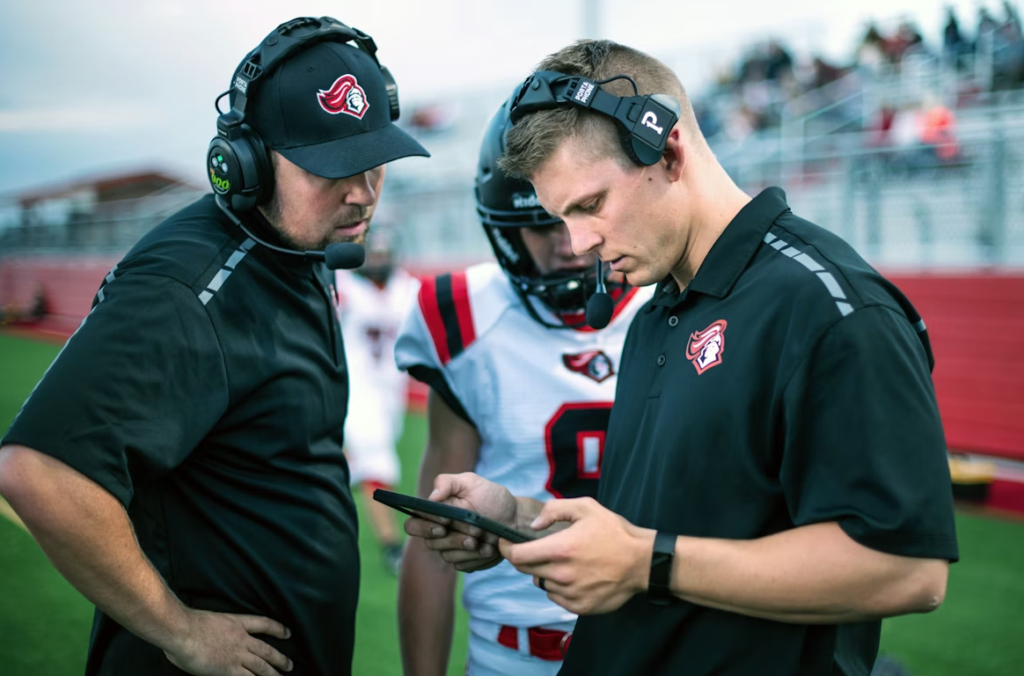
Sideline technology expands these insights even further. Tablets now deliver filtered video clips within seconds, revealing tendencies from the opponent’s first few drives. A defensive staff might adjust coverage shading after noticing repeated route combinations. An offensive coordinator might recognize a blitz pattern forming and change protections accordingly. Data turns quick reactions into informed responses.
Fatigue Tracking That Improves Substitution Strategy
Player fatigue monitoring also matters in tight games. A slight dip in movement speed or a shift in micro-movements often signals a player nearing physical limits. Substitution decisions grounded in real-time feedback protect athletes and strengthen late-game execution. Fresh legs can change the momentum of a drive.
These tools empower coaches to react with confidence, turning crucial moments into opportunities rather than vulnerabilities.
Building a Coaching Approach Where Data Drives Strategic Decisions
Analytics become most effective when they fit naturally into the team’s weekly routine. A data-minded culture grows through clear communication and consistent use, helping athletes see that metrics support their development rather than criticize it.
Starting with simple, high-value stats like third-down efficiency or explosive plays keeps the process accessible without overwhelming the staff.
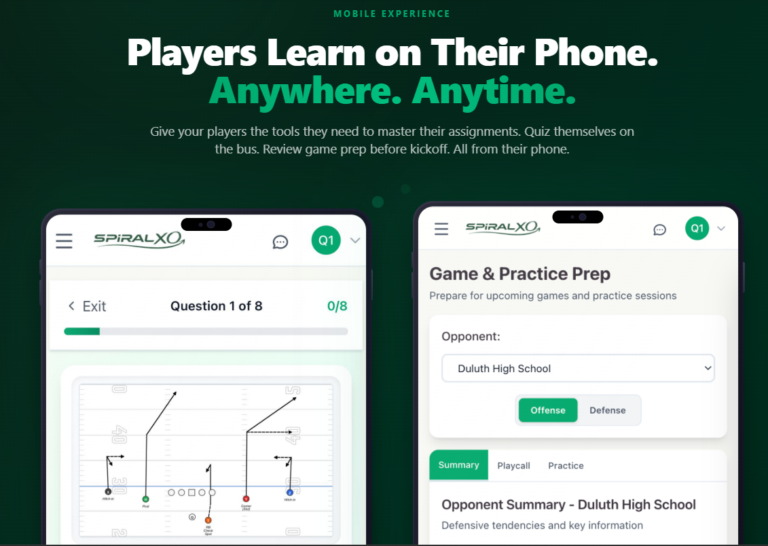
Data collection should remain manageable, whether through tools like Hudl and GoRout or basic manual tracking for smaller programs. The real impact comes when coaches turn numbers into clear insights using visuals such as heat maps or trend lines, giving players an immediate understanding of what needs improvement and why it matters.
These insights help coaches:
- Identify where breakdowns occur consistently,
- Detect matchups worth exploiting,
- Reinforce successful concepts with measurable proof,
- Target skill-development sessions with precision.
Many staffs also look at league-wide trends for added perspective. Resources showing upcoming NFL games and props offer quick snapshots of how professional teams approach similar situations, serving as strategic reference points rather than simply wagering tools.
Better Data, Better Strategy, Better Football
Football has always rewarded preparation and adaptability. Data-driven insight strengthens both qualities. Coaches armed with a clear plan based on relevant information strategize more effectively, develop athletes with greater purpose, and navigate game-day chaos with sharper instincts. The programs that embrace analytics, at any level, gain an edge rooted not in complexity but clarity.
Small steps create big changes, whether tracking key metrics, refining practice intensity, or using real-time feedback to adjust strategy.
Coaches who commit to this approach elevate not only their playbooks but also the players and culture that define their team’s identity.