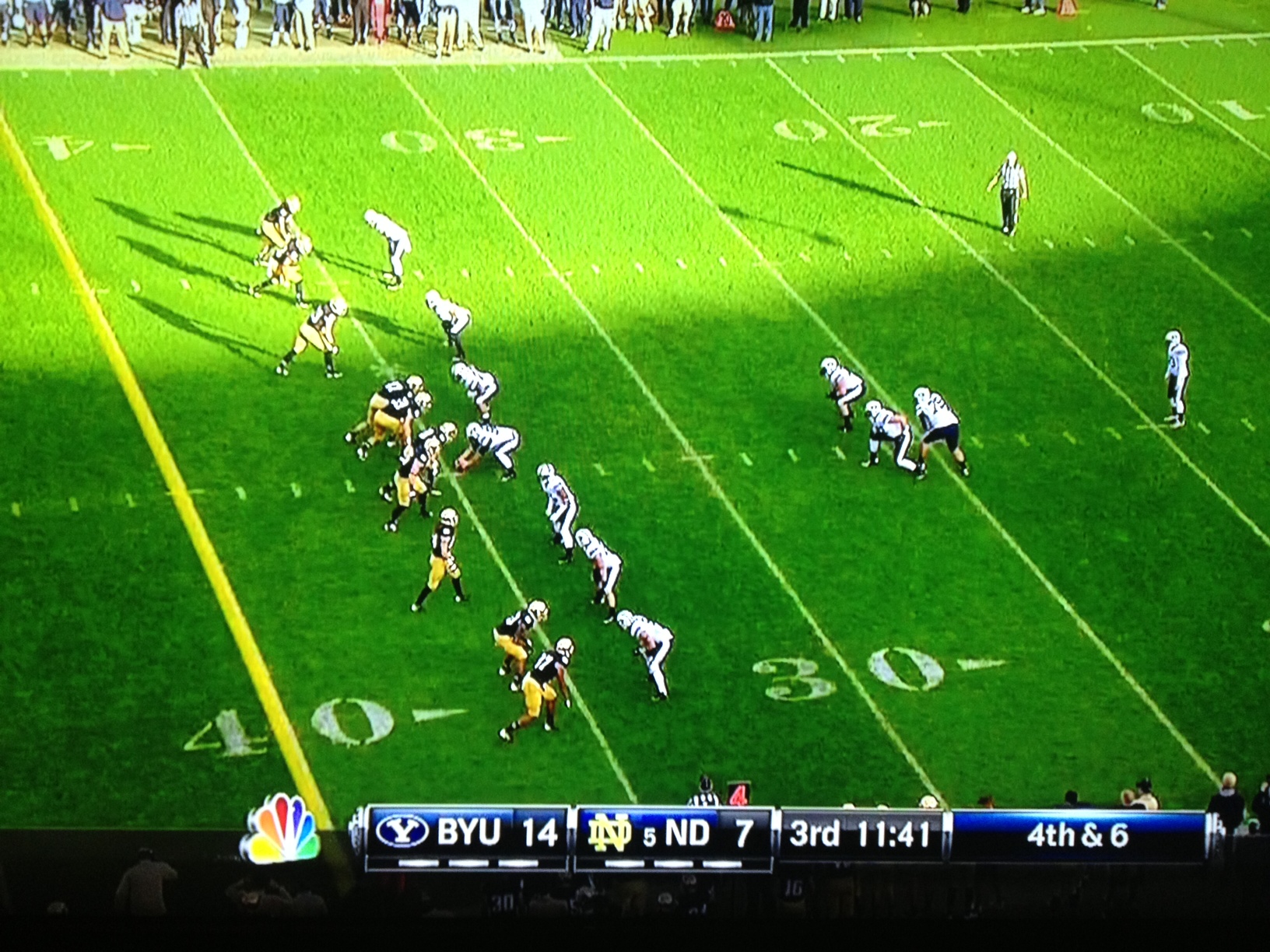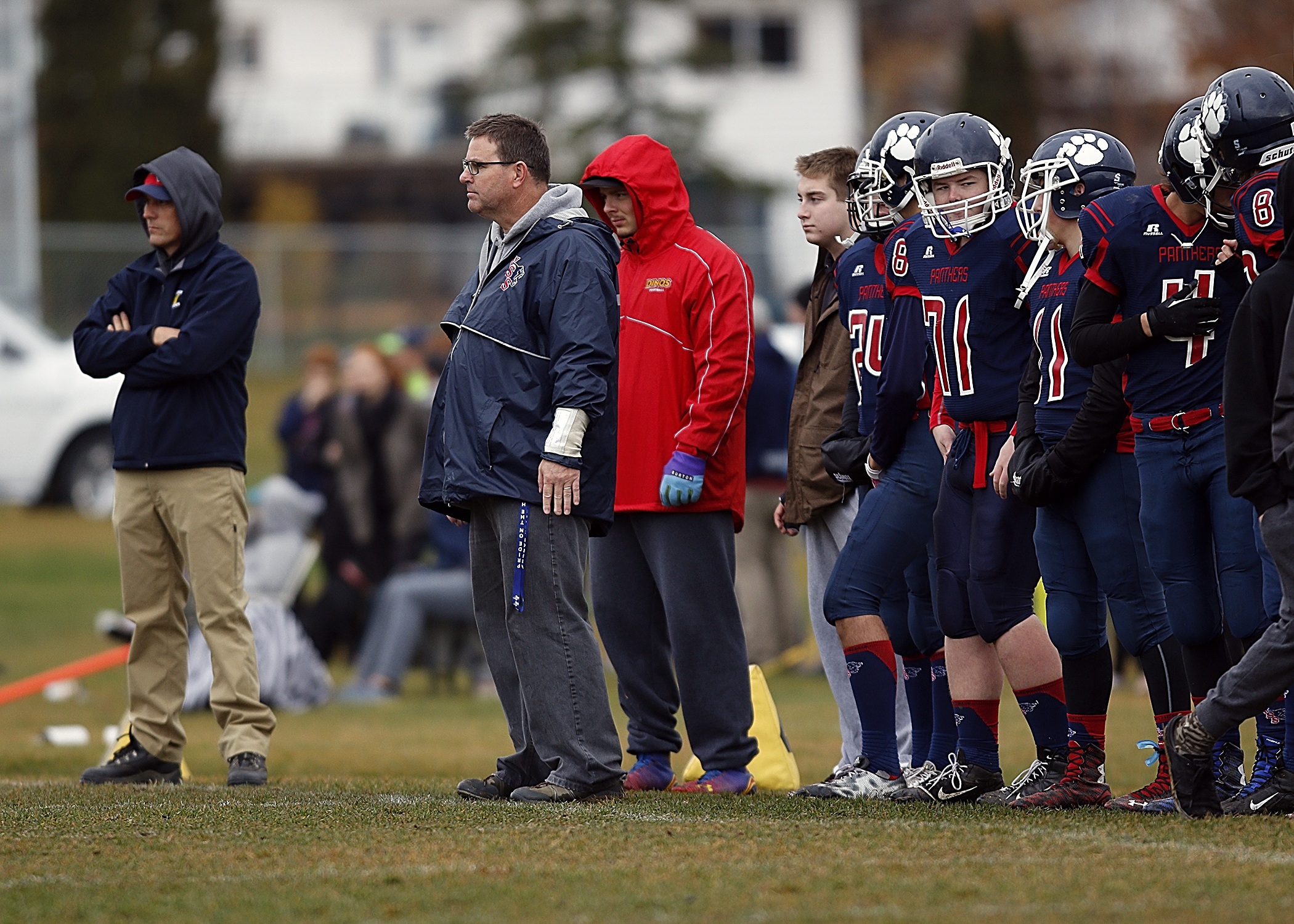
Preparation in elite football isn’t built on guesswork or last-minute inspiration. It’s a structured, repeatable process designed to eliminate uncertainty and maximize clarity before kickoff.
At the highest levels of the sport, coaches approach game day as the final step in a carefully engineered system that blends analysis, discipline, and communication.
What separates elite coaching staff is not just knowledge of the game, but how efficiently they translate that knowledge into actionable plans. Every detail, from practice structure to sideline communication, is intentional and rehearsed. The goal is simple: reduce chaos by preparing for it.
Across programs at every level, a set of proven preparation strategies has emerged. These methods help coaching staffs align preparation, optimize performance, and execute under pressure without losing structure or focus.
Three Pillars of Tactical Preparation
Elite coaches begin with three foundational strategies that shape the entire week. The first is situational mastery, where offensive and defensive scripts are refined through repetition. High-pressure scenarios, such as red-zone sequences and two-minute drills, are rehearsed until responses become automatic.
The second pillar is opponent pattern recognition. Coaching staff dedicates extensive film study to uncover subtle tendencies, from alignment cues to situational habits. These insights often provide the small advantages that influence critical moments during games.
The third pillar is a compressed installation schedule. Game plans are introduced early in the week, allowing the final 48 hours to focus on mental clarity rather than information overload. This ensures players enter game day prepared but not fatigued.
Across professional environments, including many NFL teams, these pillars form the backbone of preparation. They create a structured foundation that supports both strategic depth and mental readiness.
Coaches also emphasize alignment in communication within these pillars, ensuring that terminology, signals, and expectations remain consistent across all units. By reinforcing shared understanding throughout the week, teams reduce the likelihood of confusion on game day and create a more cohesive structure that supports fast, confident decision-making under pressure.
Three Strategies for Player Optimization
The next phase of preparation focuses on optimizing individual performance. Elite coaches understand that clarity improves execution, which is why individualized game plans are essential. Each player receives a focused set of responsibilities, removing unnecessary information that could slow decision-making.
Equally important are structured sleep and nutrition protocols. Coaching staff monitors routines throughout the week to ensure players maintain consistent energy levels. By prioritizing recovery and physical readiness, teams can sustain performance across all phases of the game.
The third strategy is positional walk-through replication. Scout units are tasked with recreating opponent tendencies in detail, including tempo and alignment. This allows starters to rehearse game-speed scenarios without the physical strain of full-contact sessions.
NFL narratives point out that these strategies reinforce consistency. They ensure that preparation is not only comprehensive but also tailored, allowing each role within the system to function efficiently on game day.
Another key element is continuous feedback throughout the week. Coaches use film sessions and brief positional meetings to reinforce correct habits and quickly address mistakes.
This steady refinement process ensures that adjustments are understood in context, helping players build confidence in their assignments while maintaining consistency across each phase of preparation.
Four Strategies for Gameday Execution
When preparation transitions into execution, elite coaches rely on clearly defined systems. One of the most important is scripted adjustments. Coordinators prepare multiple corrective actions in advance, allowing teams to respond quickly rather than react impulsively.
Tempo control is another critical element. Designated staff members often help manage substitutions and tempo, giving the team a better chance to control matchups and limit opportunities for the opponent to exploit them.
Delegated crisis management also plays a vital role. Specific assistants are assigned to handle logistical challenges such as officiating discussions or equipment issues. This allows the primary decision-makers to remain focused on strategy and play execution.
Finally, closed-loop communication ensures that every instruction is confirmed and understood. Standardized language reduces confusion, particularly in high-pressure environments, and helps maintain precision when it matters most.
Integrating the System in Real Time
The final stage of preparation is integration. Elite coaches recognize that while preparation follows a structured path, game day introduces unpredictability. To manage this, they implement a pre-game check to ensure all plans align across units before kickoff.
During the game, decision-making runs through a clear chain of command. That structure helps prevent conflicting instructions, keeps all phases aligned, and becomes especially important in fast-moving situations where timing matters most.
Sideline management is also refined to reduce distractions. By limiting non-essential personnel, coaches create a focused environment where communication remains direct and efficient. It is also important to take a step back at the end of the season to assess what needs to change going forward.
This unified approach transforms preparation into a cohesive system. It allows teams to adapt without losing structure, ensuring that every adjustment fits within the broader strategy established throughout the week.
Where Preparation Becomes Performance
Elite football coaching is ultimately about alignment, bringing together preparation, communication, and execution into a single, seamless process. The strategies outlined above demonstrate how structure can shape outcomes, even in a sport defined by unpredictability.
From early-week planning to real-time decision-making, each phase builds upon the last. Coaches who consistently apply these methods create environments where clarity replaces hesitation, and systems guide performance.
What stands out is not complexity, but discipline. The ability to simplify information, reinforce key concepts, and maintain consistency under pressure defines successful programs.
As the game continues to evolve, these preparation principles remain constant. They serve as a blueprint for turning preparation into performance, ensuring that on game day, every element is aligned and ready for execution.
About the Author