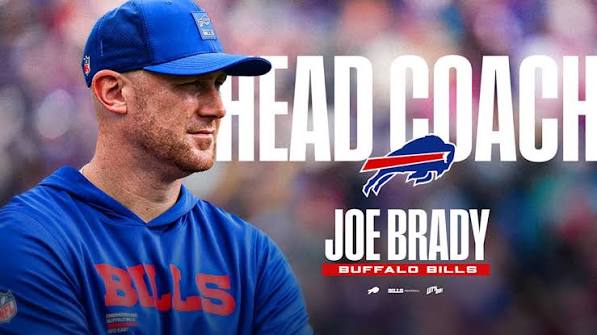
Entering the NFL is a sharp transition. Rookies face faster play, public scrutiny, and constant evaluation, where physical talent alone is not enough. Early career pressure can shape confidence, decision-making, and long-term performance.
Preparation begins well before the first regular-season snap, with coaching staff building systems that support mental resilience, clarity in roles, and consistent habits. The goal is to help rookies process the speed of the game while staying composed under pressure. Each approach reflects a balance between structure and adaptability. The most effective programs focus on mindset, repetition, communication, and accountability, helping players handle early expectations without losing focus.
Building Mental Toughness
Mental preparation is the foundation of rookie development. Coaches introduce routines that help players stay steady during high-pressure moments. This includes visualization, controlled breathing, and structured reflection after practice.
Film sessions play a central role. Coaches break down mistakes without overwhelming the player. They focus on one correction at a time, which builds confidence and prevents information overload.
Common mental tools include:
- Pre practice visualization,
- Post practice reflection,
- Controlled breathing before key reps,
- Short memory after mistakes.
Veteran mentorship is also key. Rookies are paired with experienced teammates who model professional habits. These relationships provide real context that coaches cannot always replicate. Mental toughness is not about ignoring pressure, but about managing it with clarity and control.
Structured Practice Systems
Practice design directly impacts how rookies adapt. Coaches create structured environments that simulate game speed without sacrificing learning. Each drill has a clear purpose tied to real game situations. Repetition is carefully controlled. Coaches balance volume with quality to avoid fatigue. Short, focused sessions help rookies retain information and execute with precision.
Situational drills are especially important. Two-minute drives, red-zone scenarios, and third-down plays expose rookies to high-pressure decisions, reducing uncertainty when those moments arise in games. Feedback loops are immediate. Coaches provide quick corrections after each rep. This reinforces learning and prevents bad habits from forming, with resources like FanDuel Research often used to explore broader analytical trends and how performance data is interpreted in a wider football context.
Clarity in assignments is essential. Rookies are given defined roles before expanding responsibilities. This step-by-step approach builds confidence while maintaining team performance. Structured practice turns complex systems into manageable tasks. It allows rookies to develop without being overwhelmed by the full scope of the playbook.
Managing Expectations Early
Expectations can shape a rookie’s experience as much as performance. Coaches set realistic goals that focus on progress rather than perfection. This helps players stay grounded during early struggles. Two-minute drives, red-zone scenarios, and third-down plays expose rookies to high-pressure decisions, reducing uncertainty when those moments arise in games. Coaches guide players on how to handle interviews and public attention. This protects focus and limits distractions.
In controlled settings, coaches may explain how external narratives shape perception, including fan reactions, media coverage, and the broader landscape of betting. The discussion is brief and centered on awareness rather than participation. It’s about helping rookies understand how odds, projections, and public sentiment can shift expectations, and why none of it should influence preparation, focus, or decision-making.
Internal accountability remains the priority. Coaches emphasize team goals over individual recognition. This mindset keeps rookies aligned with long-term development rather than short-term pressure. Managing expectations creates stability during a volatile transition period.
Communication and Feedback
Effective communication accelerates rookie development. Coaches use simple, direct language to ensure clarity. Complex schemes are broken into smaller concepts that are easier to process.
Meetings are structured with clear objectives. Coaches highlight key points rather than overwhelming players with excessive detail. This improves retention and execution. Feedback is specific and timely. Instead of general criticism, coaches point to exact moments that need adjustment. This allows rookies to make targeted improvements.
Open dialogue is encouraged. Rookies are expected to ask questions and seek clarification. This builds confidence and reduces hesitation on the field. Technology also supports communication. Tablets and video tools allow instant review of plays. Visual learning reinforces verbal instruction and speeds up understanding.
Consistency in messaging is critical. Mixed signals can create confusion and slow progress. Coaches align their communication across the staff to maintain a unified approach. Clear communication ensures that rookies know what to do, why it matters, and how to improve.
Accountability and Growth
Accountability is a core part of early development. Coaches establish standards that apply to every player, regardless of experience. Rookies are expected to meet these standards from day one. Mistakes are treated as learning opportunities. Coaches review errors without assigning blame. The focus remains on correction and improvement.
Performance tracking is detailed. Coaches monitor practice reps, game snaps, and decision-making patterns. This data helps identify areas for growth and adjust training plans. Coaches introduce NFL leadership lessons through daily standards, position meetings, and veteran examples. Rookies are encouraged to take ownership of their roles and learn how NFL leadership is built through preparation, communication, and consistency.
Team culture reinforces accountability. Veterans model discipline and consistency. This creates an environment where effort and preparation are valued. Growth is measured over time. Coaches look for steady improvement rather than immediate results. This long-term perspective helps rookies stay focused and motivated. Accountability builds trust within the team and supports sustainable development.
Preparing for Lasting Success
Coaches play a defining role in how rookies handle early career pressure. Their approach combines mental preparation, structured practice, and clear communication. Each element supports a smoother transition into the league. Rookies who receive consistent guidance are better equipped to manage expectations and perform under stress. They learn to focus on controllable factors and ignore distractions. This mindset is essential for long-term success.
The process is gradual. Development does not happen overnight. Coaches understand this and create systems that allow players to grow at a steady pace. In the end, preparation is about more than immediate performance. It is about building professionals who can adapt, improve, and contribute over time. When done effectively, early coaching sets the foundation for a strong and lasting NFL career.
About the Author